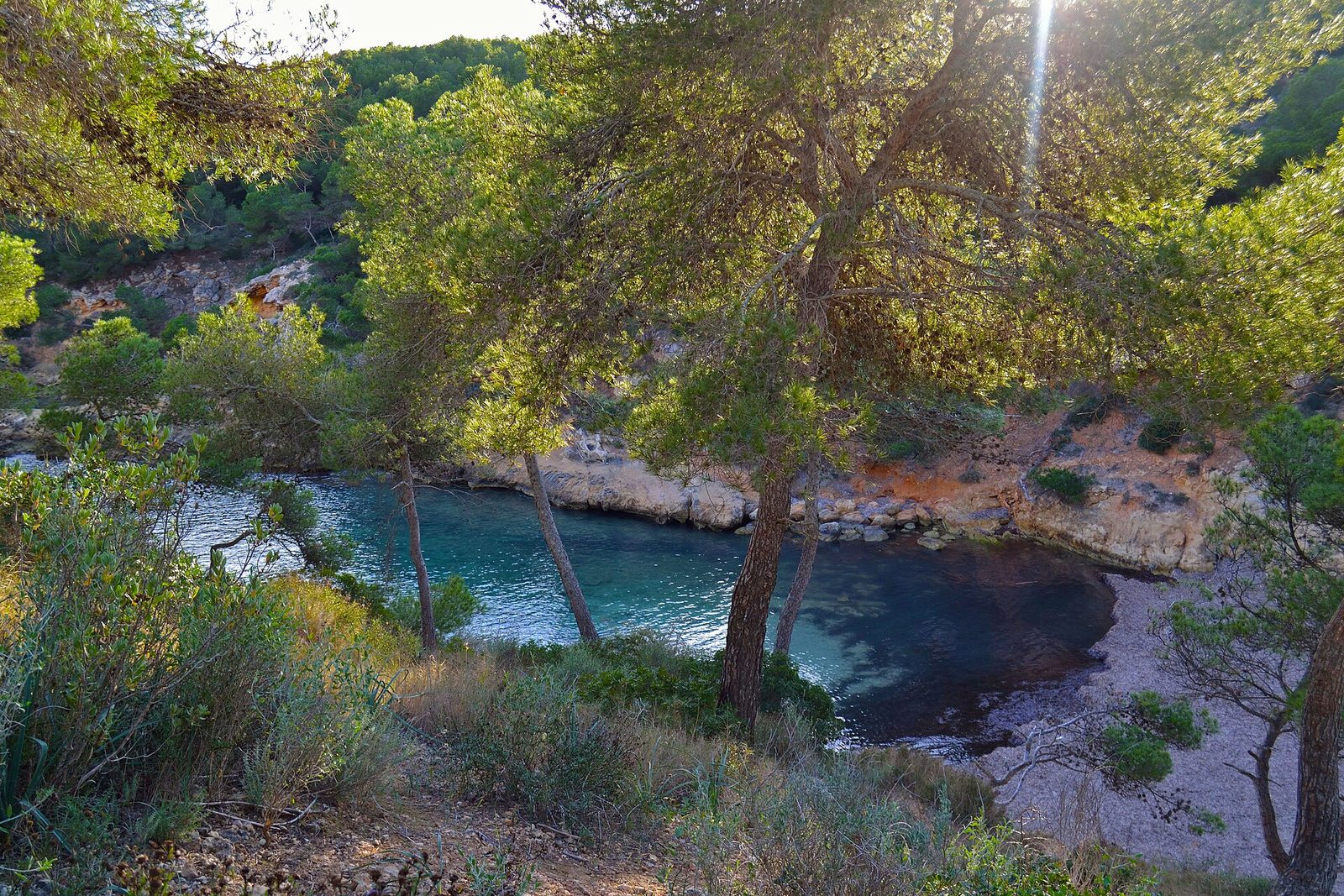
Some of Mallorca's coves can only be reached by sea, and others look completely different from the water: no parking, no rows of towels, and the boat anchored just a few metres away. In this guide we walk you through, area by area, the coves we visit on our skippered trips, what makes each one special and the best time to go. The final route is always chosen by the skipper, depending on the wind and the sea that day.
Bay of Palma
The bay is one of the most sheltered areas on the island, which makes it perfect for a first trip.
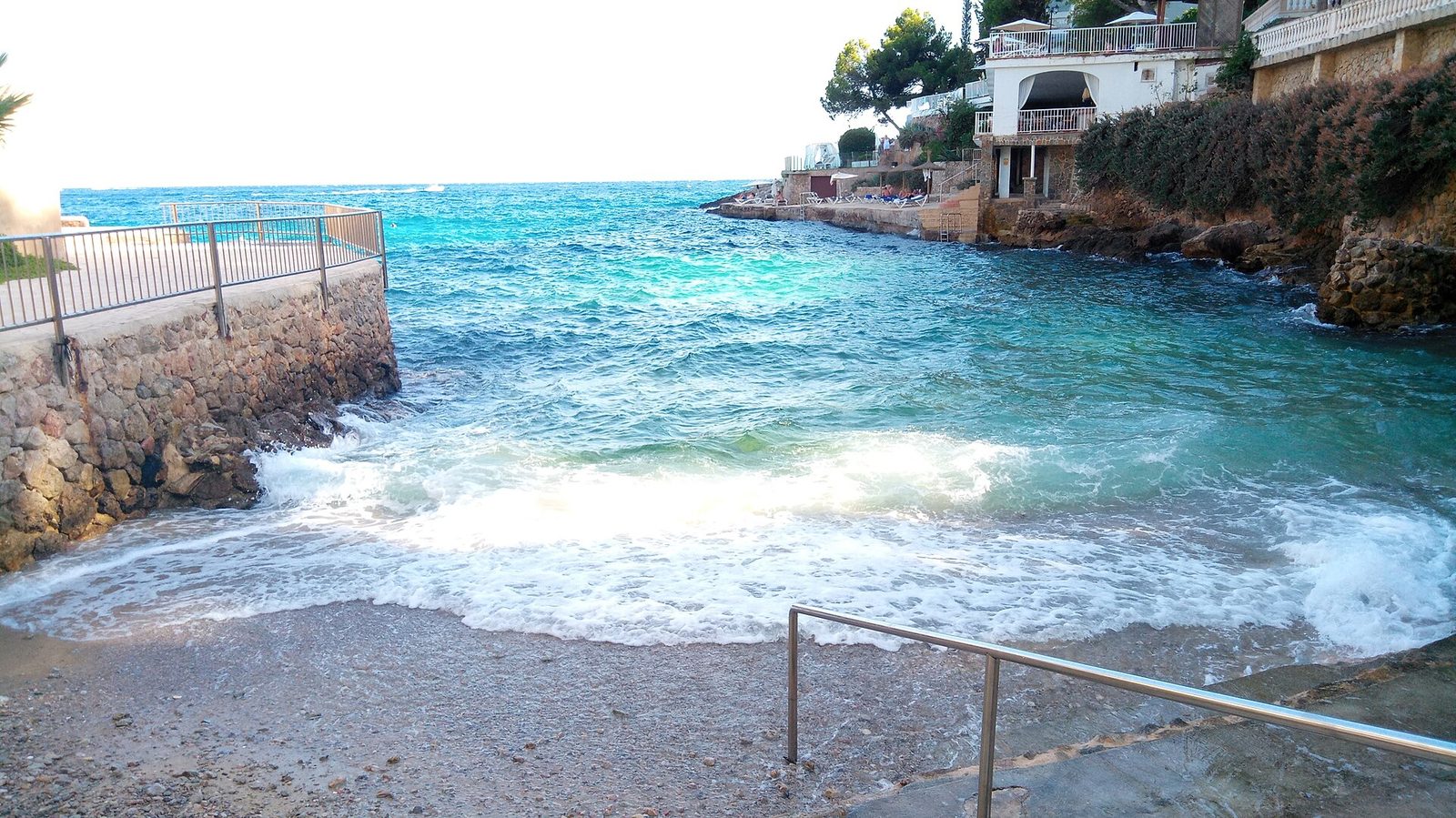
Illetes
Clear water and sandy seabeds at the mouth of the bay. One of the favourite stops for the first swim.
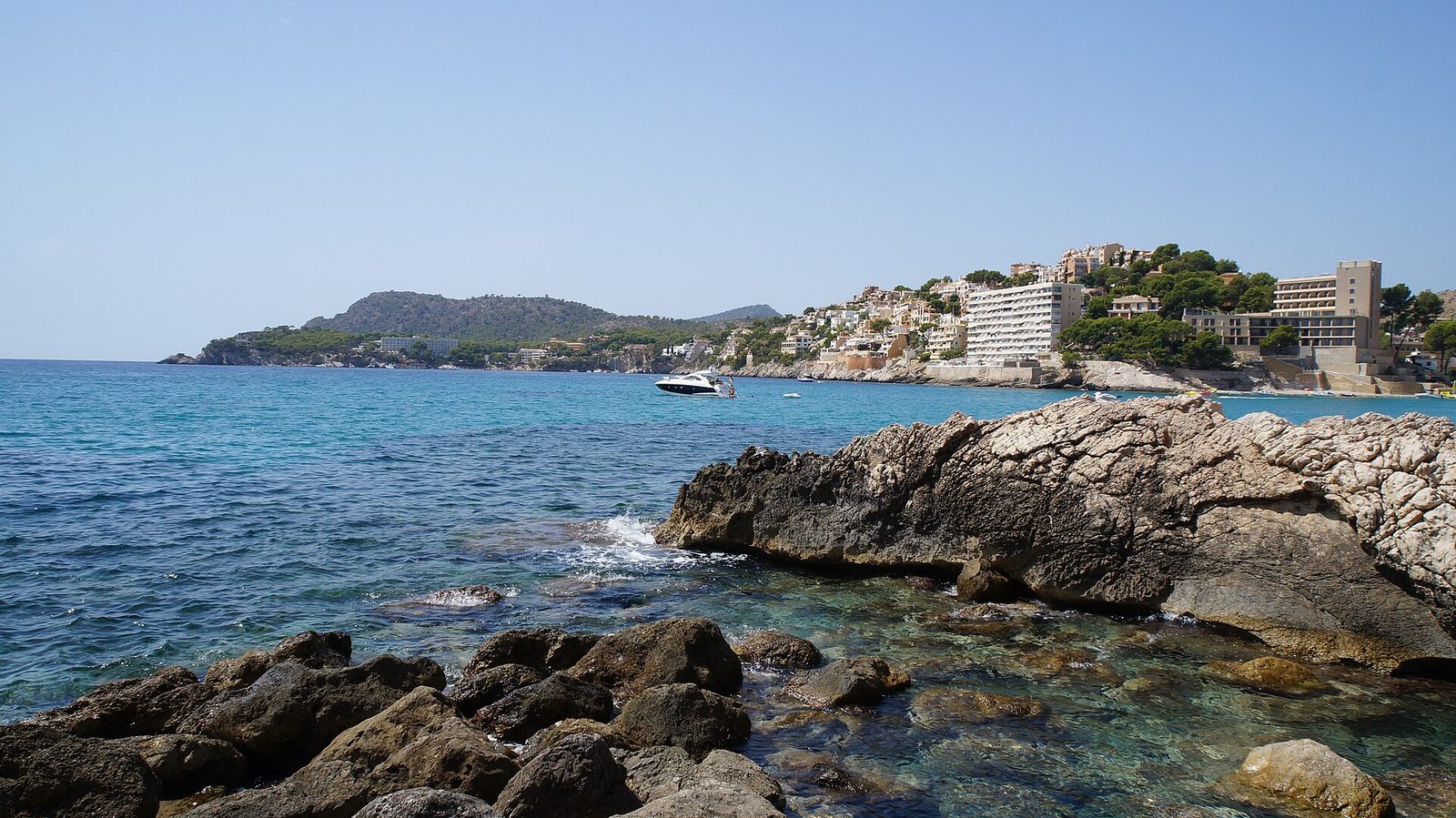
Cala Major
A cove close to the centre of Palma, perfect for a quick swim right after leaving port.
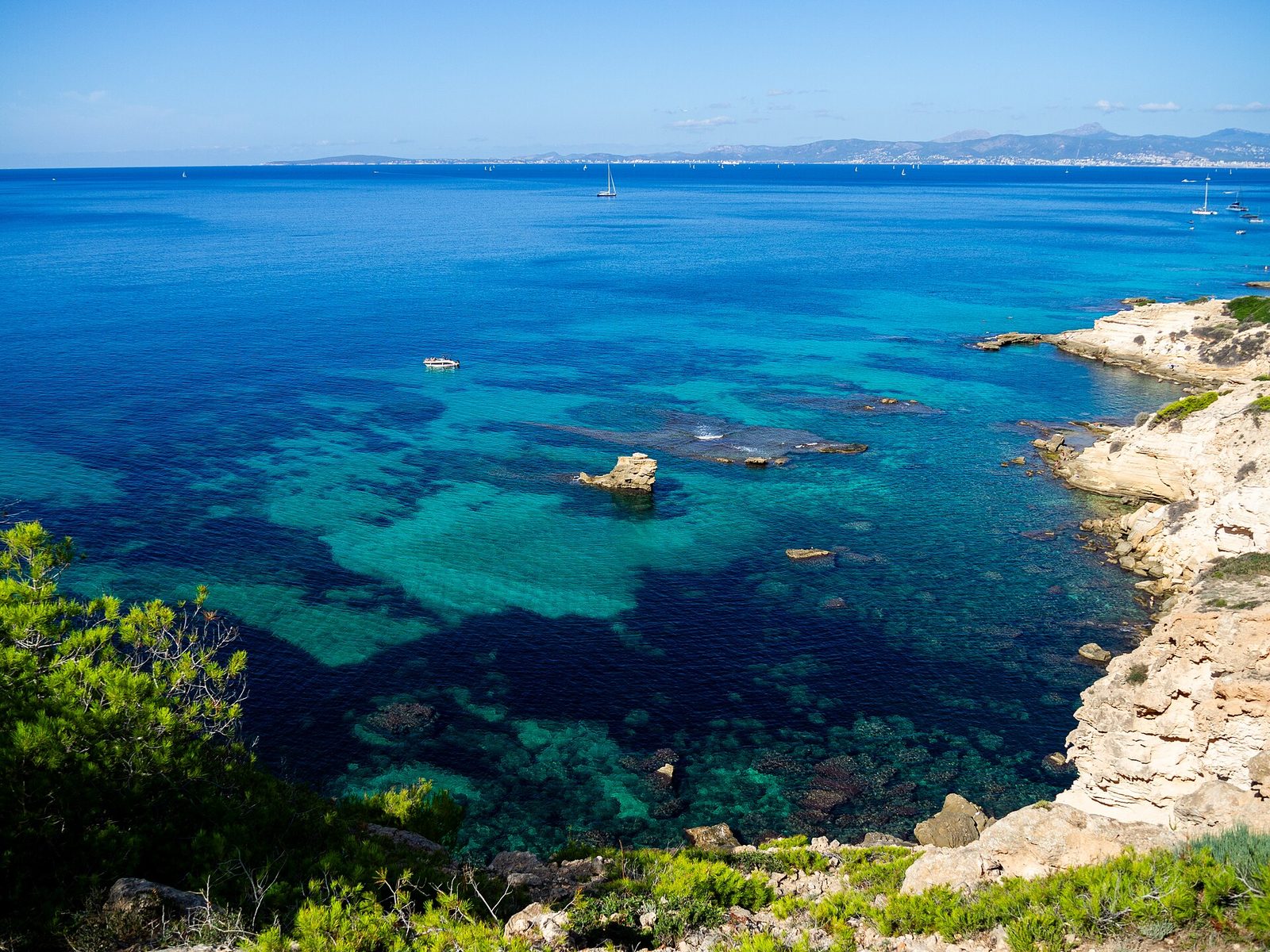
Cap Enderrocat
A headland on the Palma coast for seeing the bay from the outside.
Southwest: from Puerto Portals to Andratx
The southwest coast combines rocky, pine-lined coves, protected islets and some of the best sunsets in Mallorca.
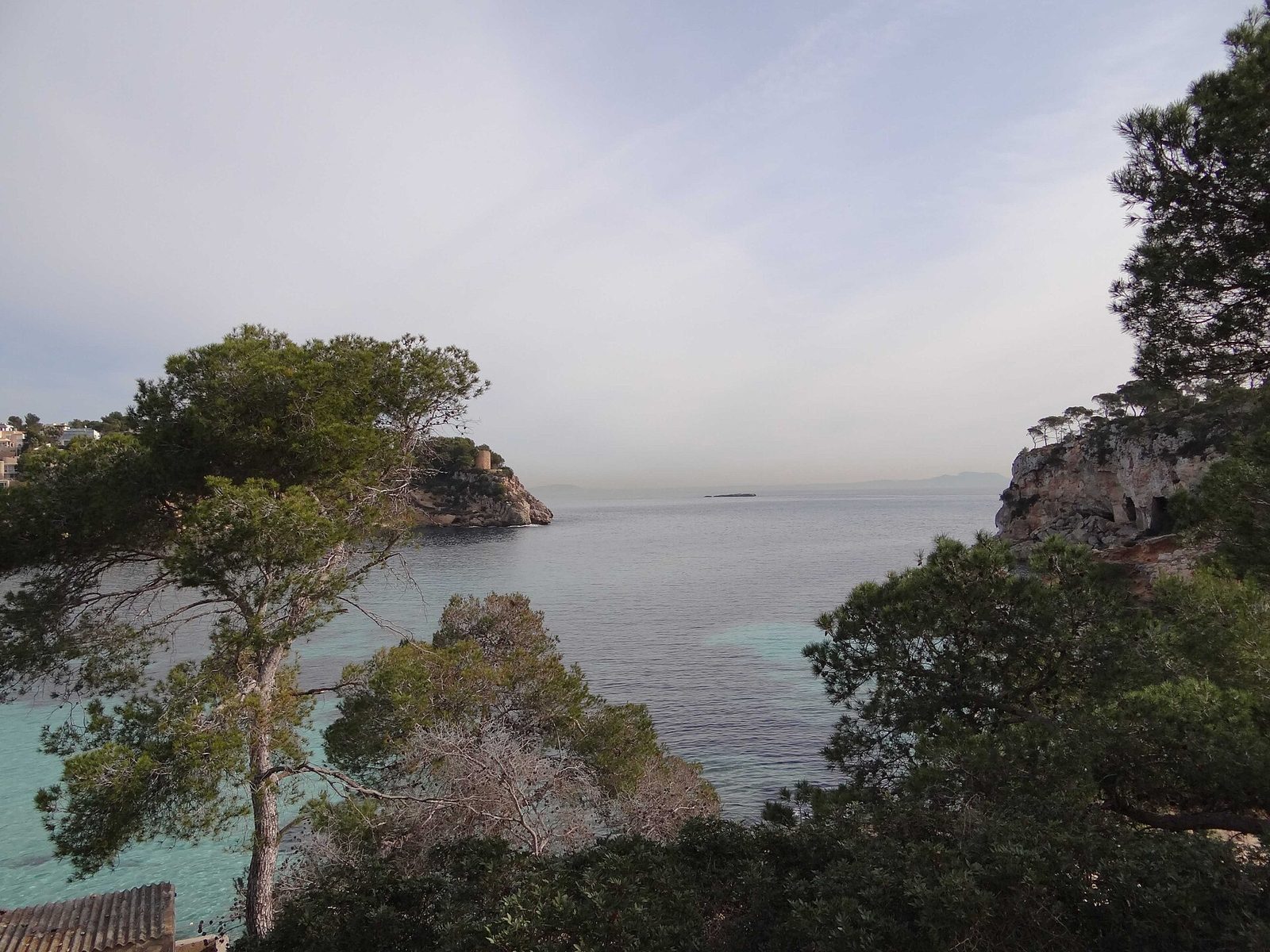
Portals Vells
Small rocky coves with pine trees and turquoise water, best enjoyed from the boat without hunting for a spot on the sand.
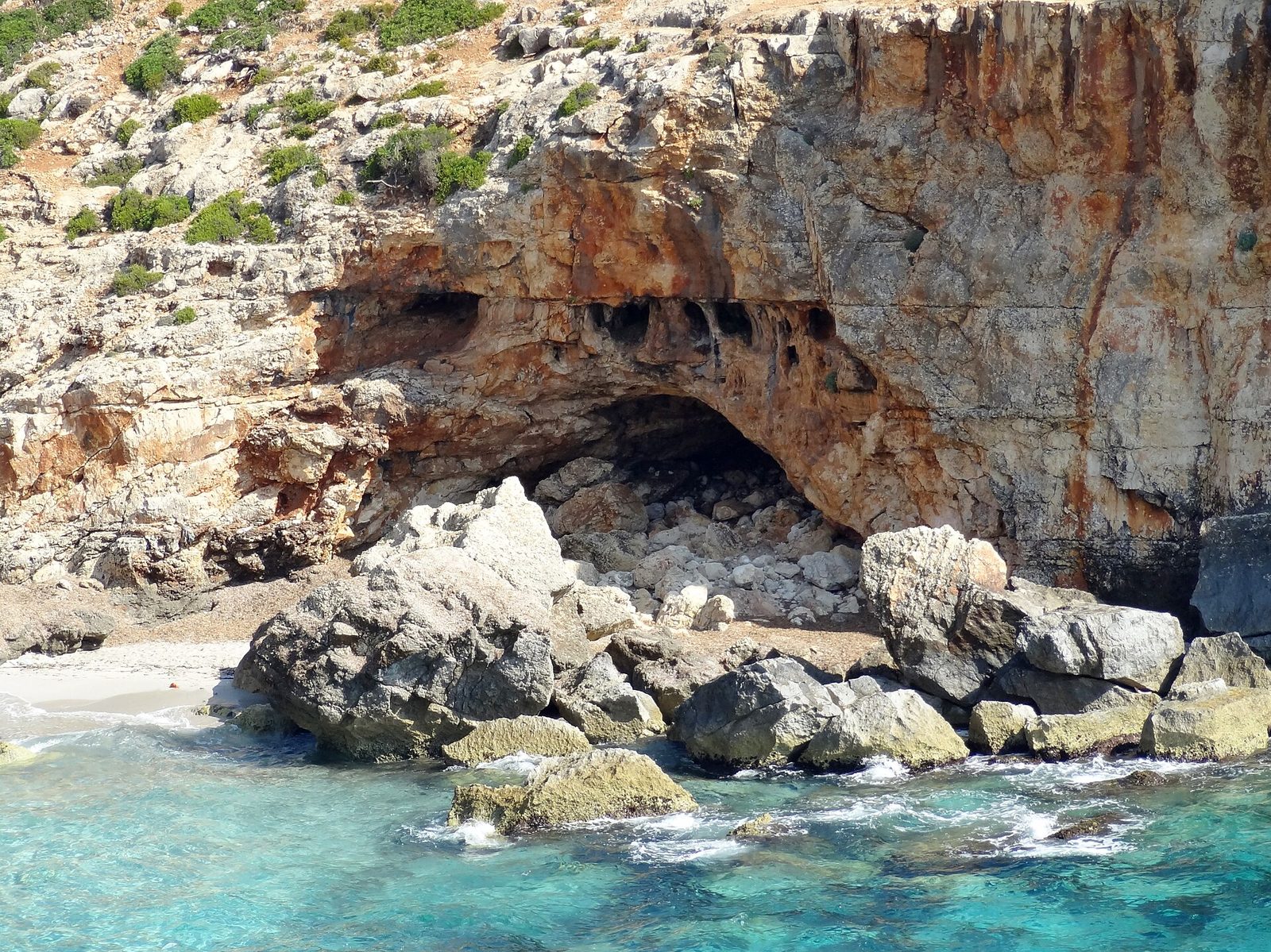
Cala Falcó
A small, quiet cove with calm water, ideal for anchoring and lunch on board.
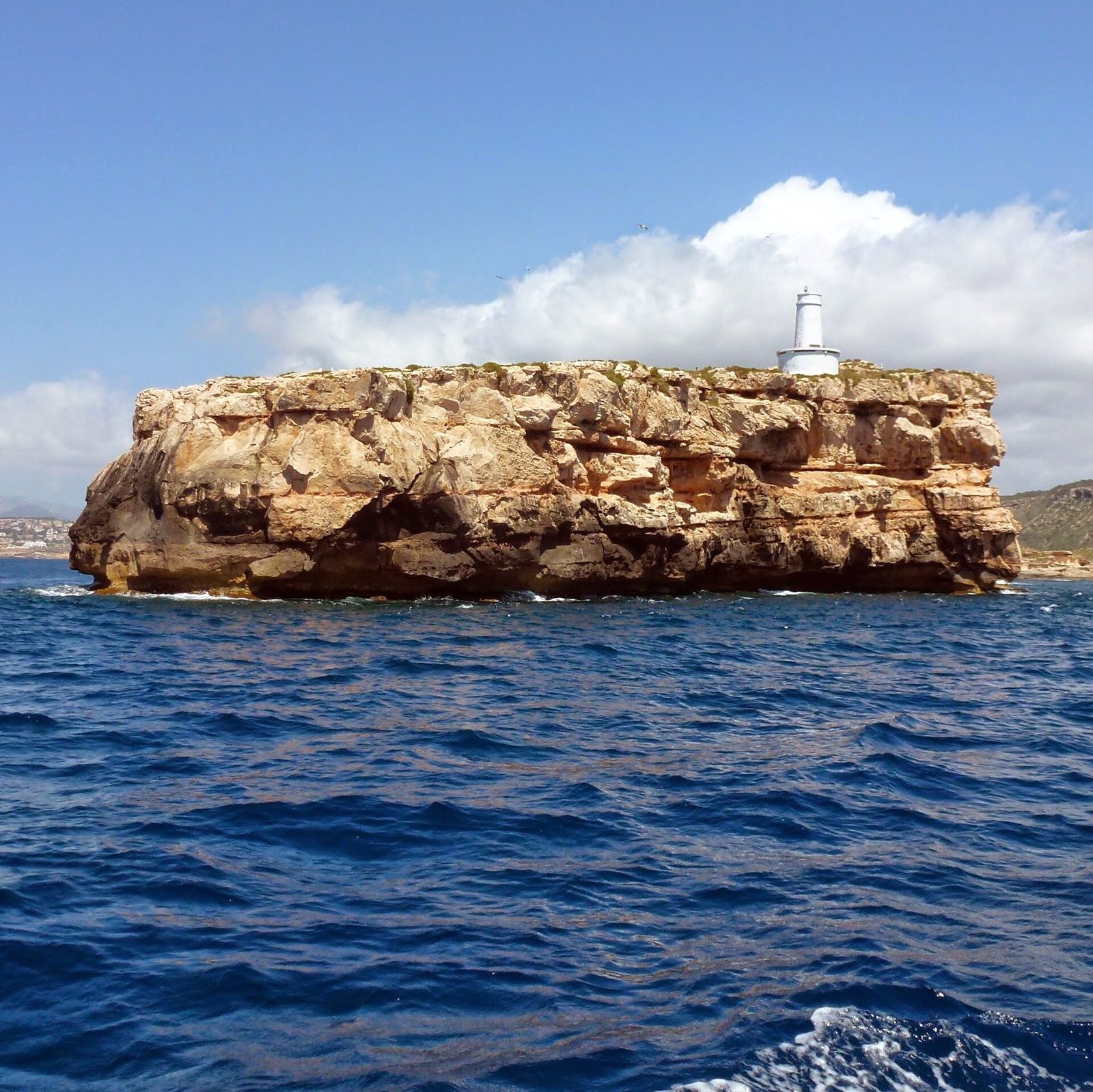
El Toro islet
A marine reserve and one of the best snorkelling spots on the island.
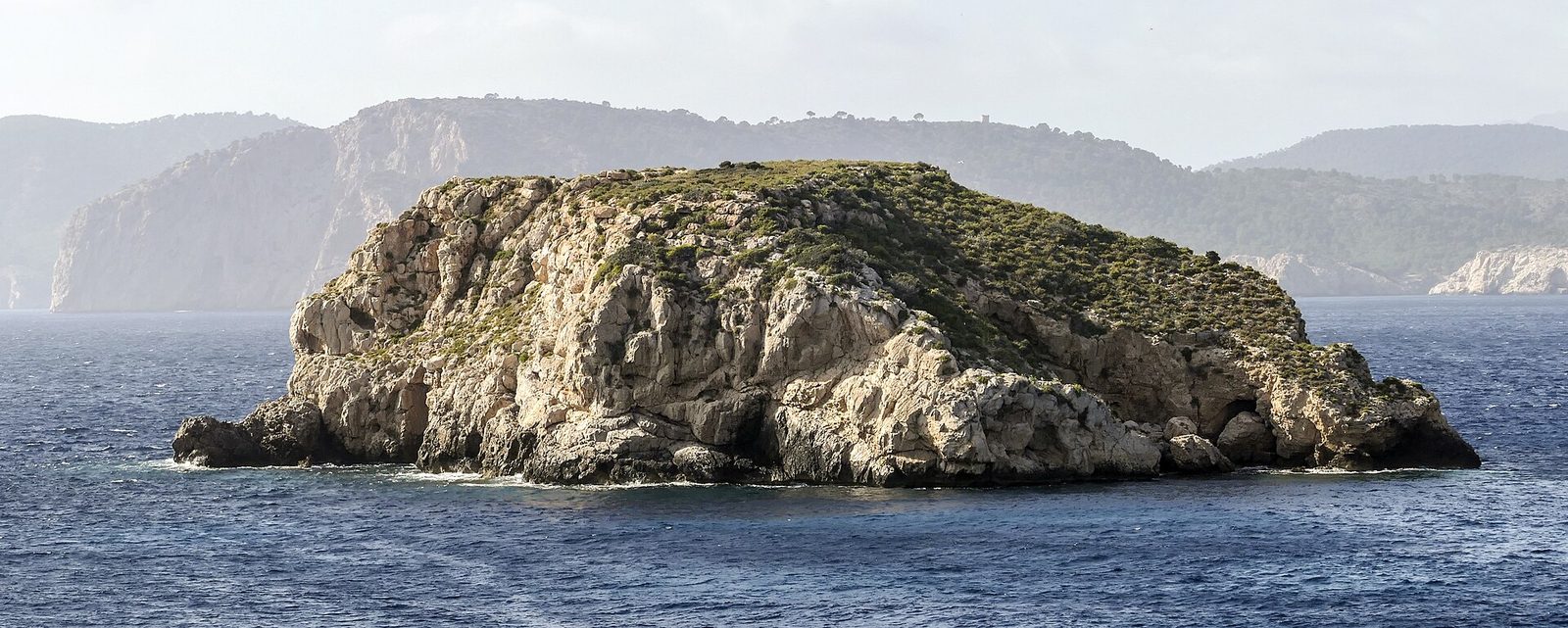
Malgrats islands
Protected islets off the coast, with seabeds that are ideal for snorkelling.
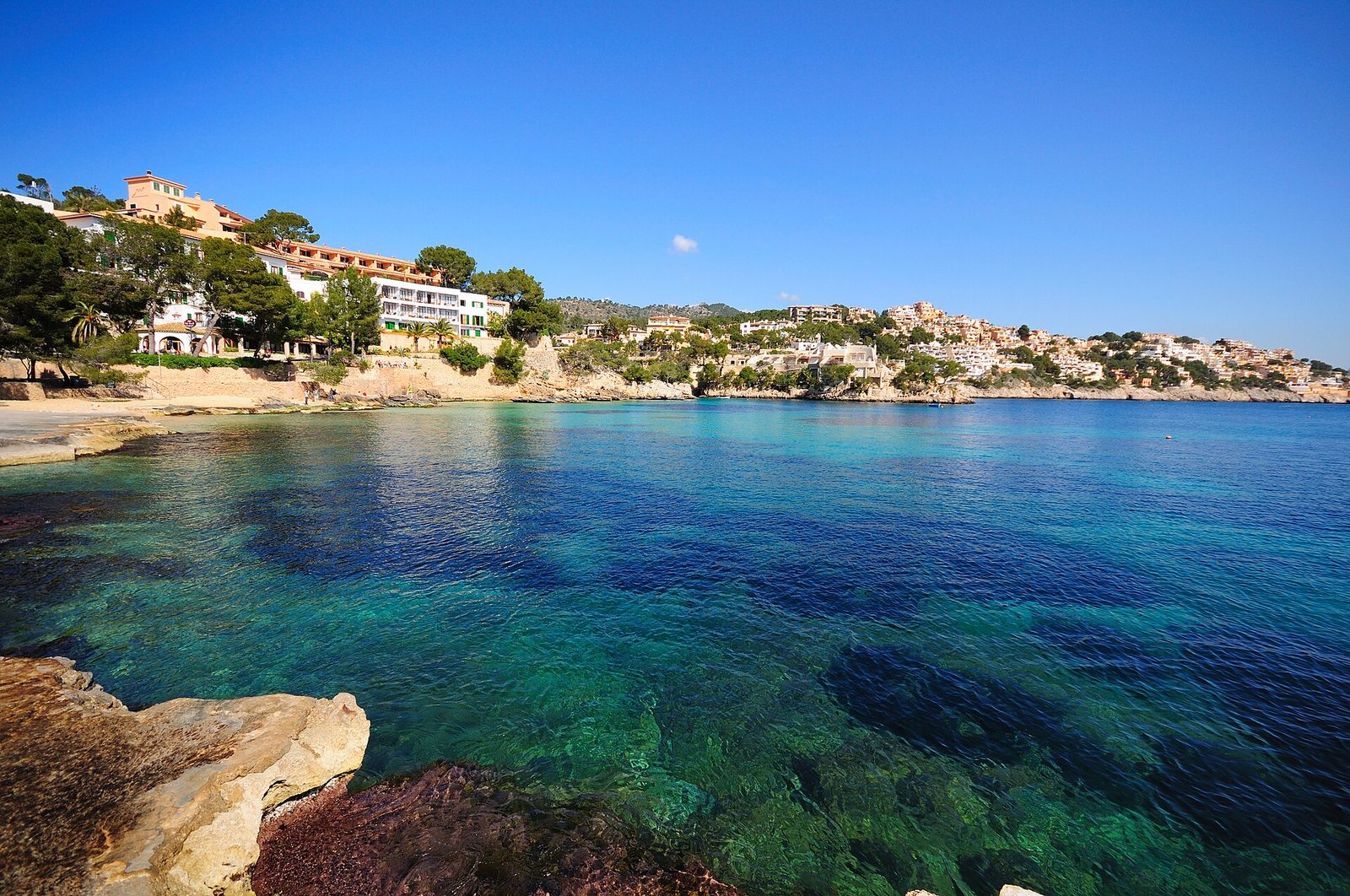
Cala Fornells and Cala Llamp
Two coves on the Andratx coast: Cala Fornells, with calm water, and Cala Llamp, small, sheltered and crystal clear.
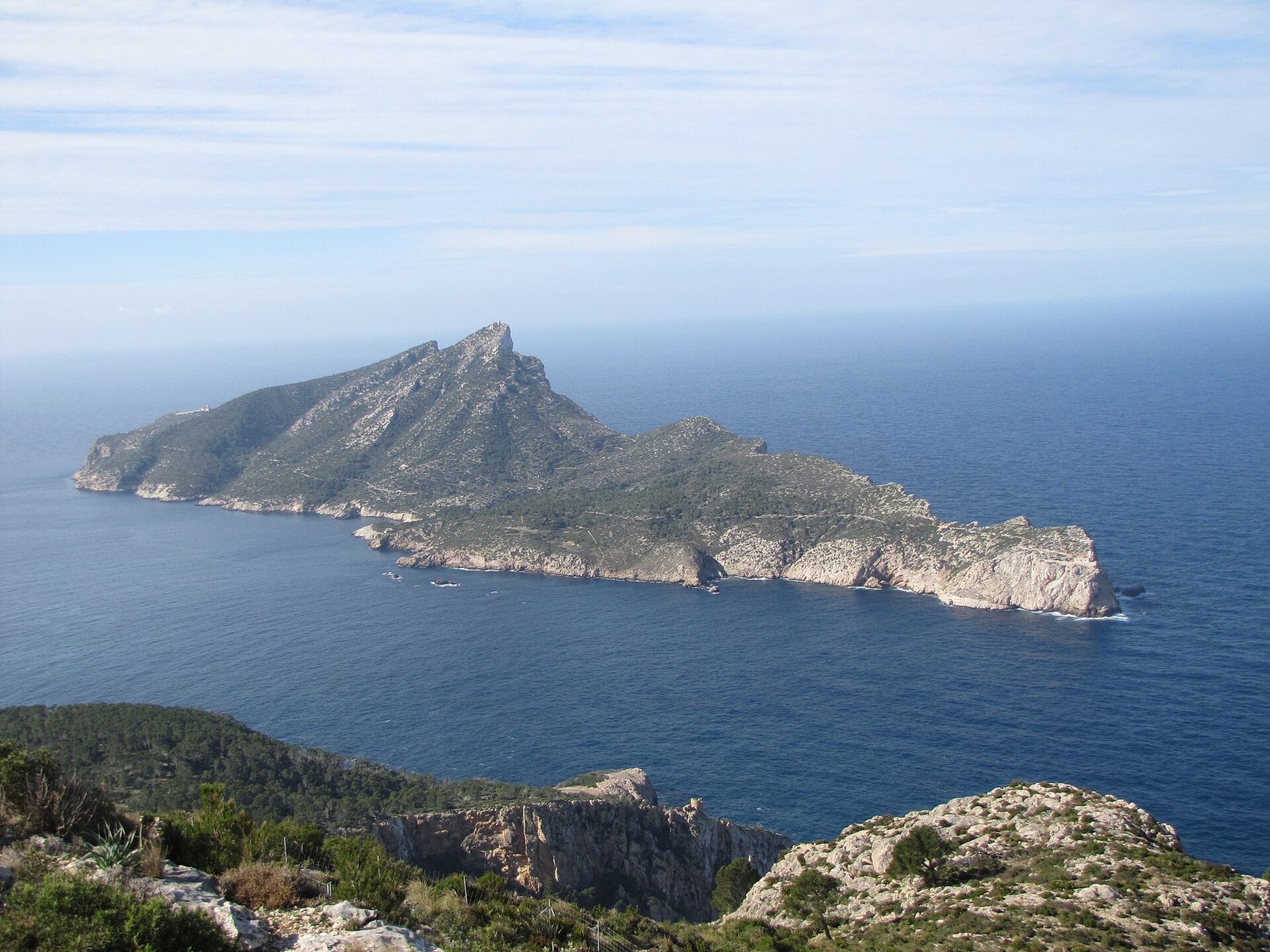
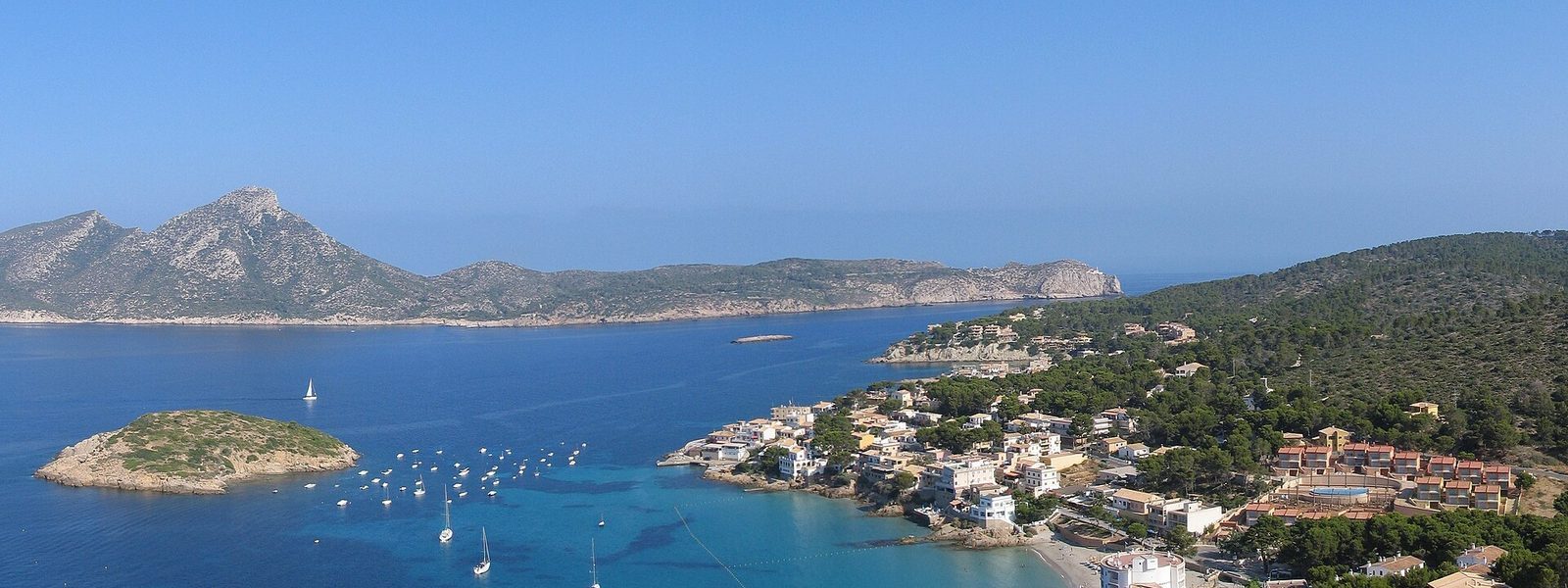
Sa Dragonera and Sant Elm
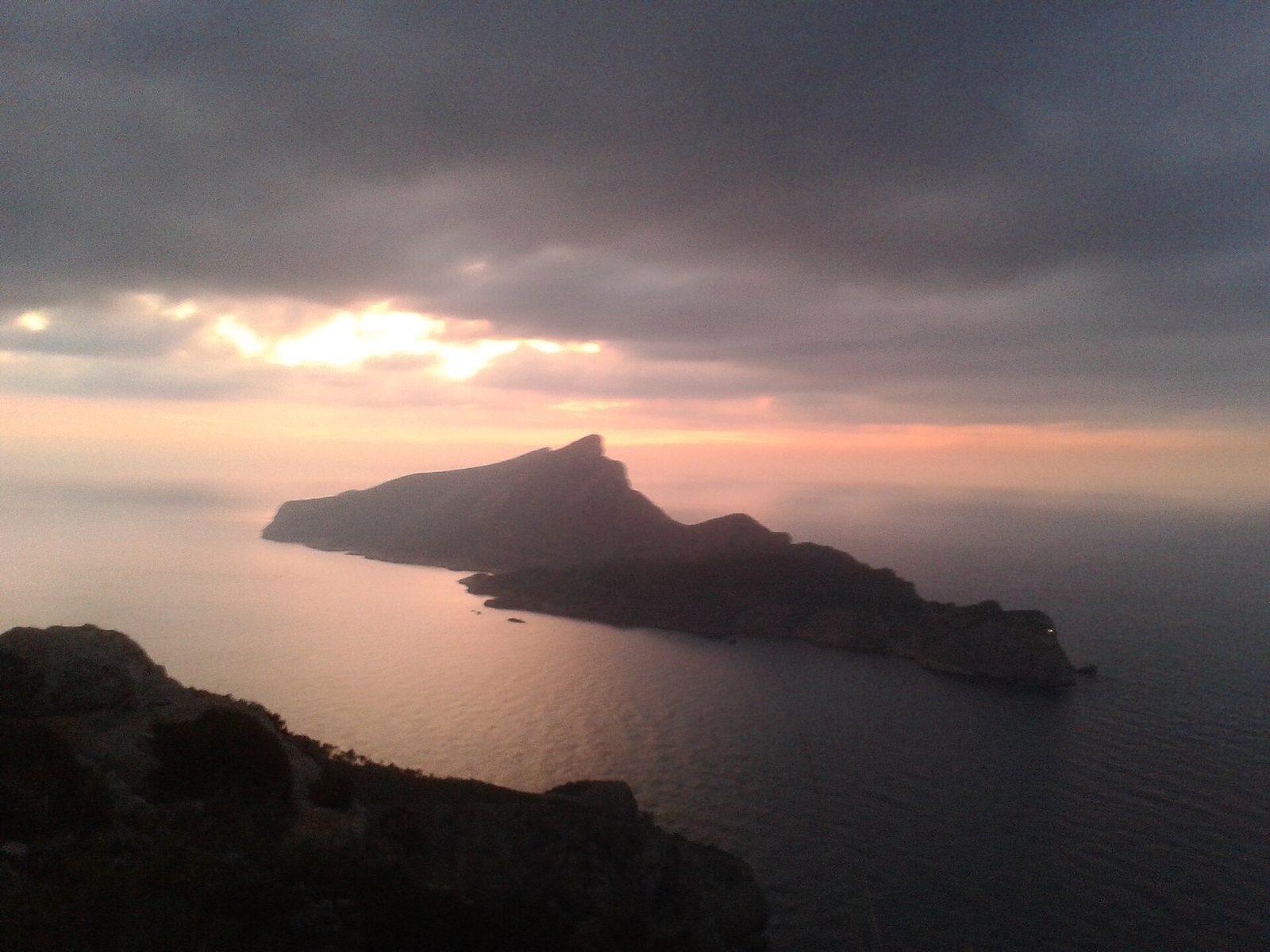
Sa Dragonera is a natural park: a protected island off the coast. Opposite lies Sant Elm, a fishing village. One of the most beautiful routes from Andratx and one of the best places to watch the sunset.
Tramuntana: the Sóller coast
The north coast is the wildest: cliffs, rocky coves and crystal-clear water. It is also the most exposed, so here the sea conditions matter more than anywhere else.
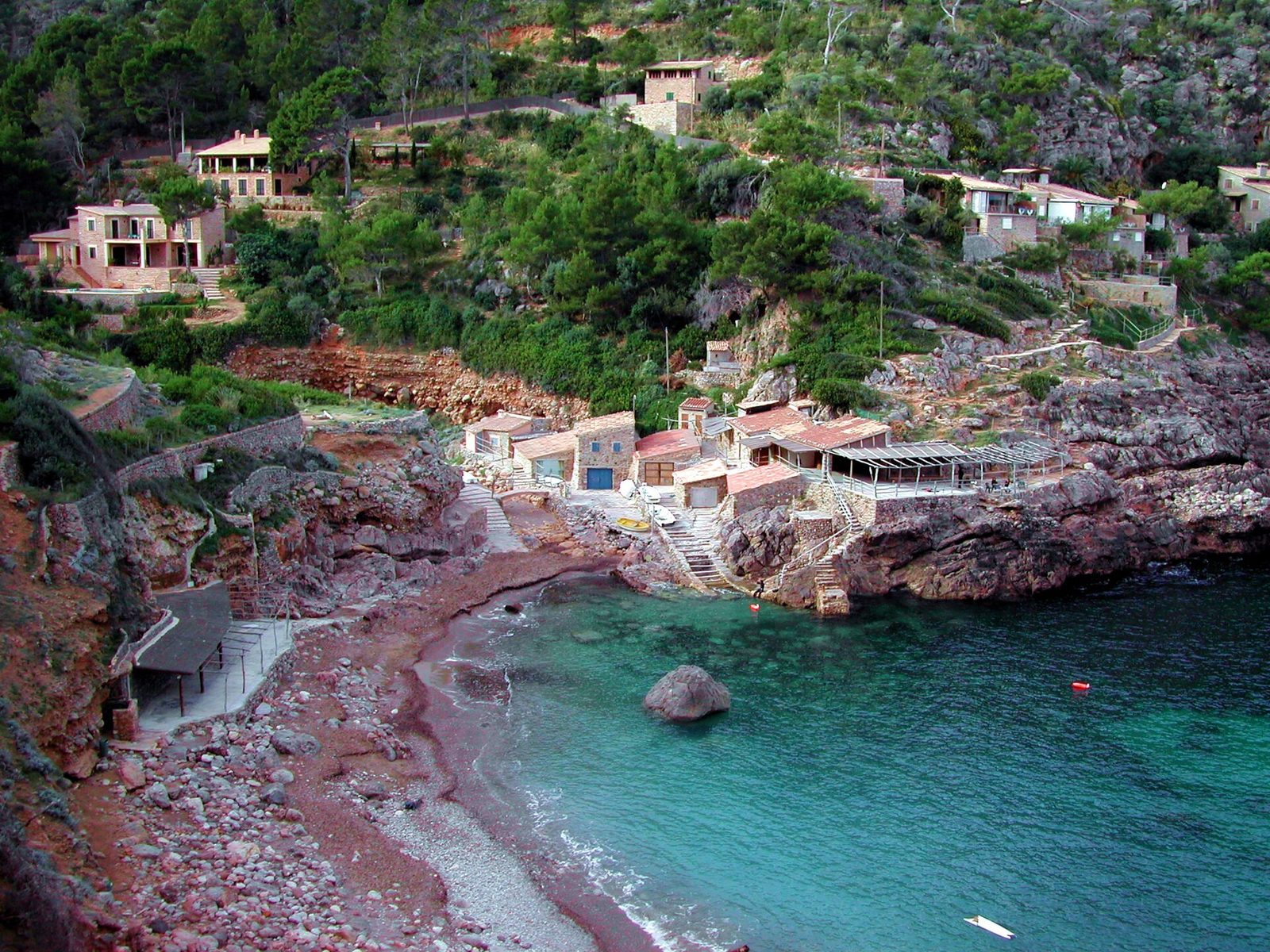
Cala Deià
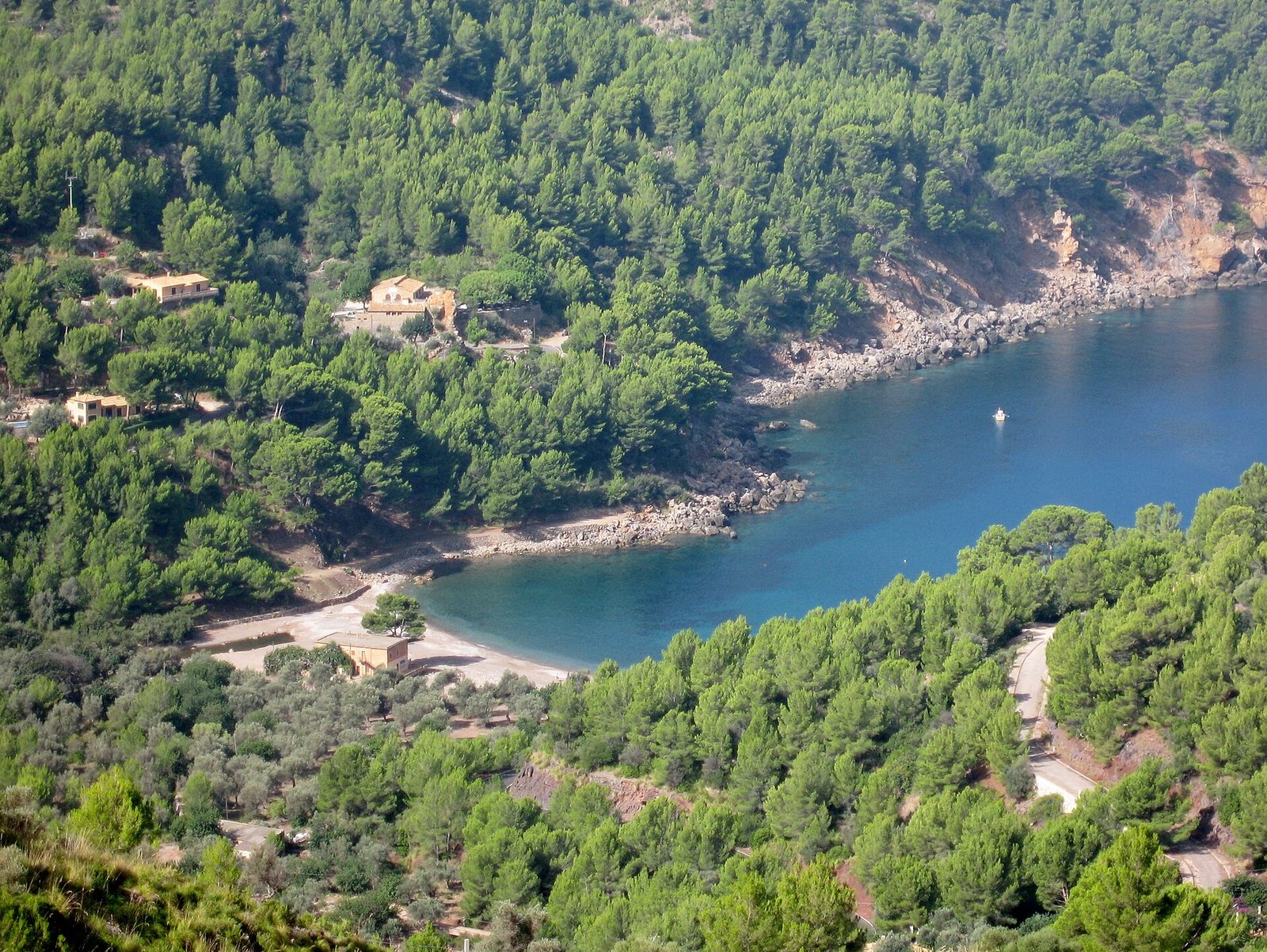
A small rocky cove tucked between cliffs.
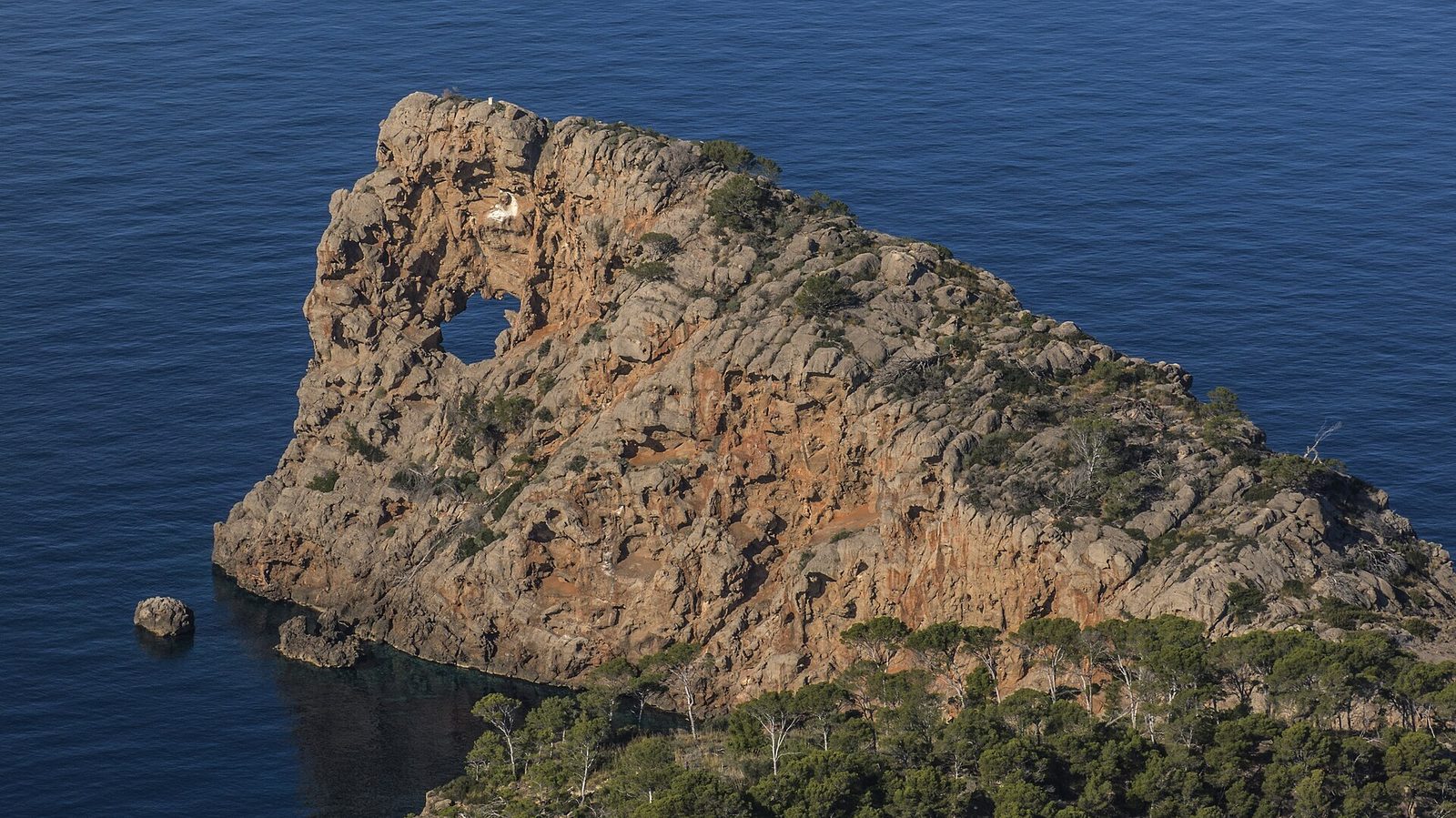
Sa Foradada
A rocky headland with a natural hole, best seen from the sea.
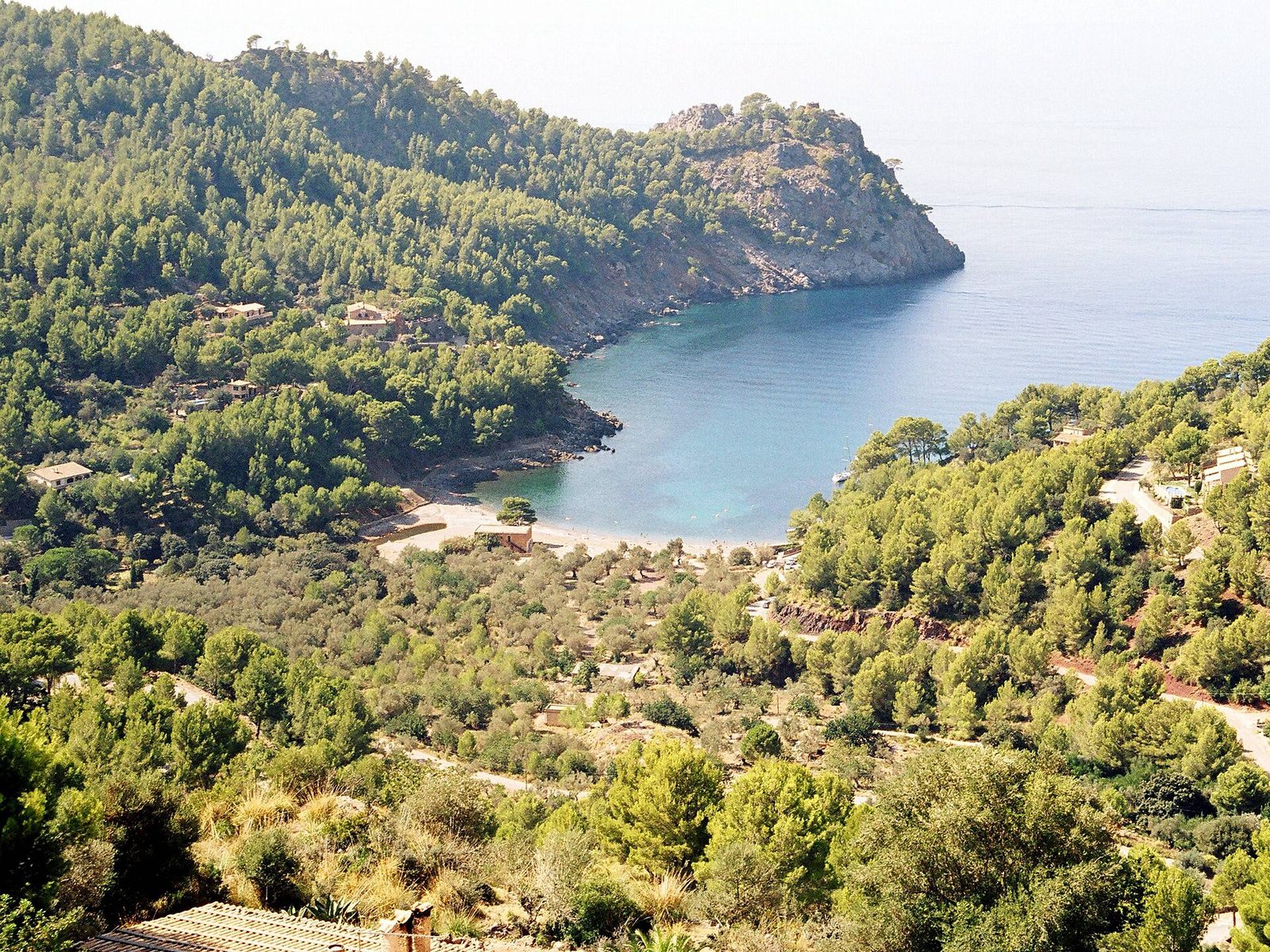
Cala Tuent
A quiet cove at the foot of the Tramuntana, with crystal-clear water. A good spot to anchor at midday.
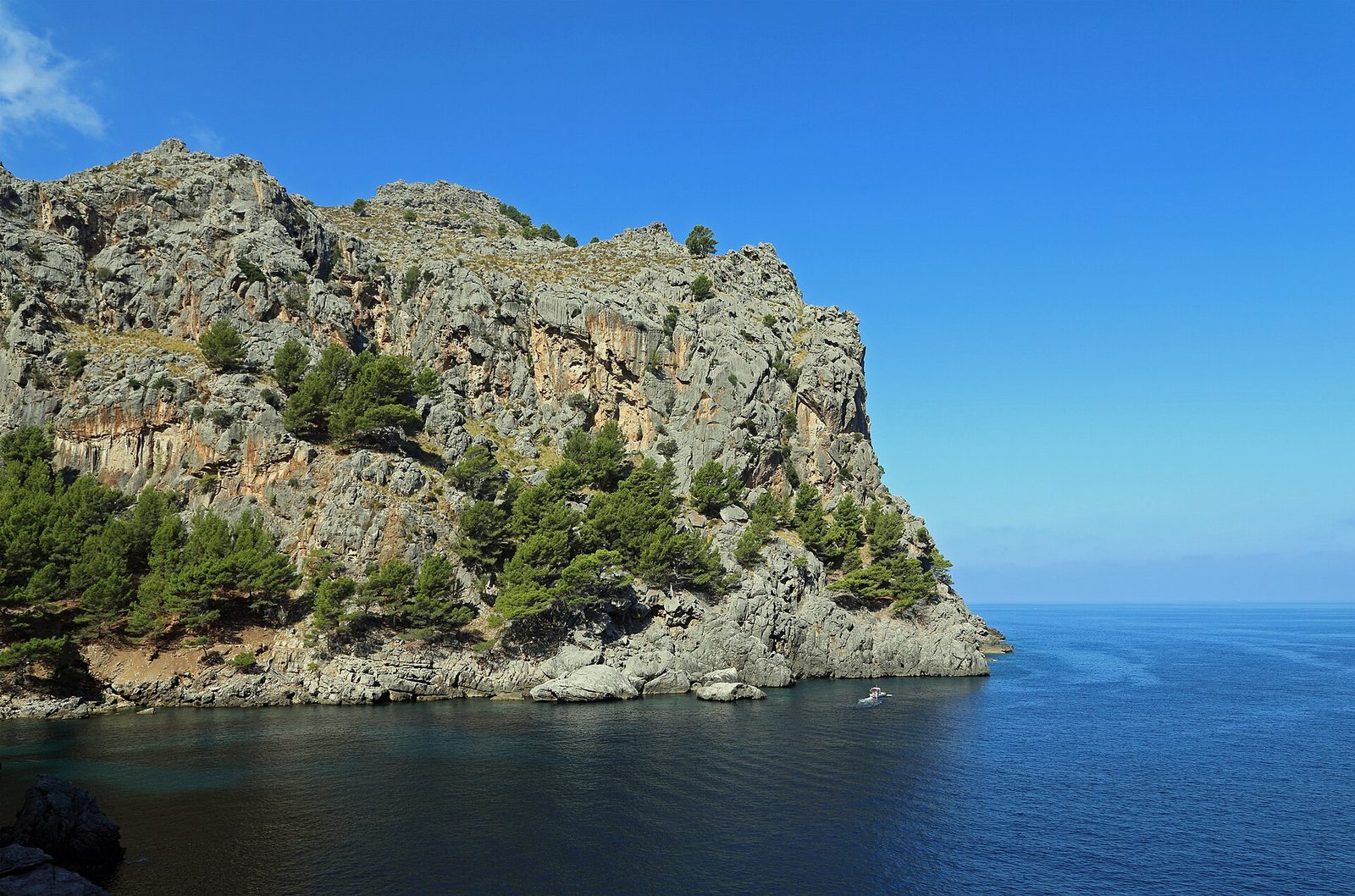
Sa Calobra and the Torrent de Pareis
A cove between rock walls at the mouth of a famous gorge. One of the most spectacular routes from Sóller, whenever the sea allows.
The south: Es Trenc and Cabrera
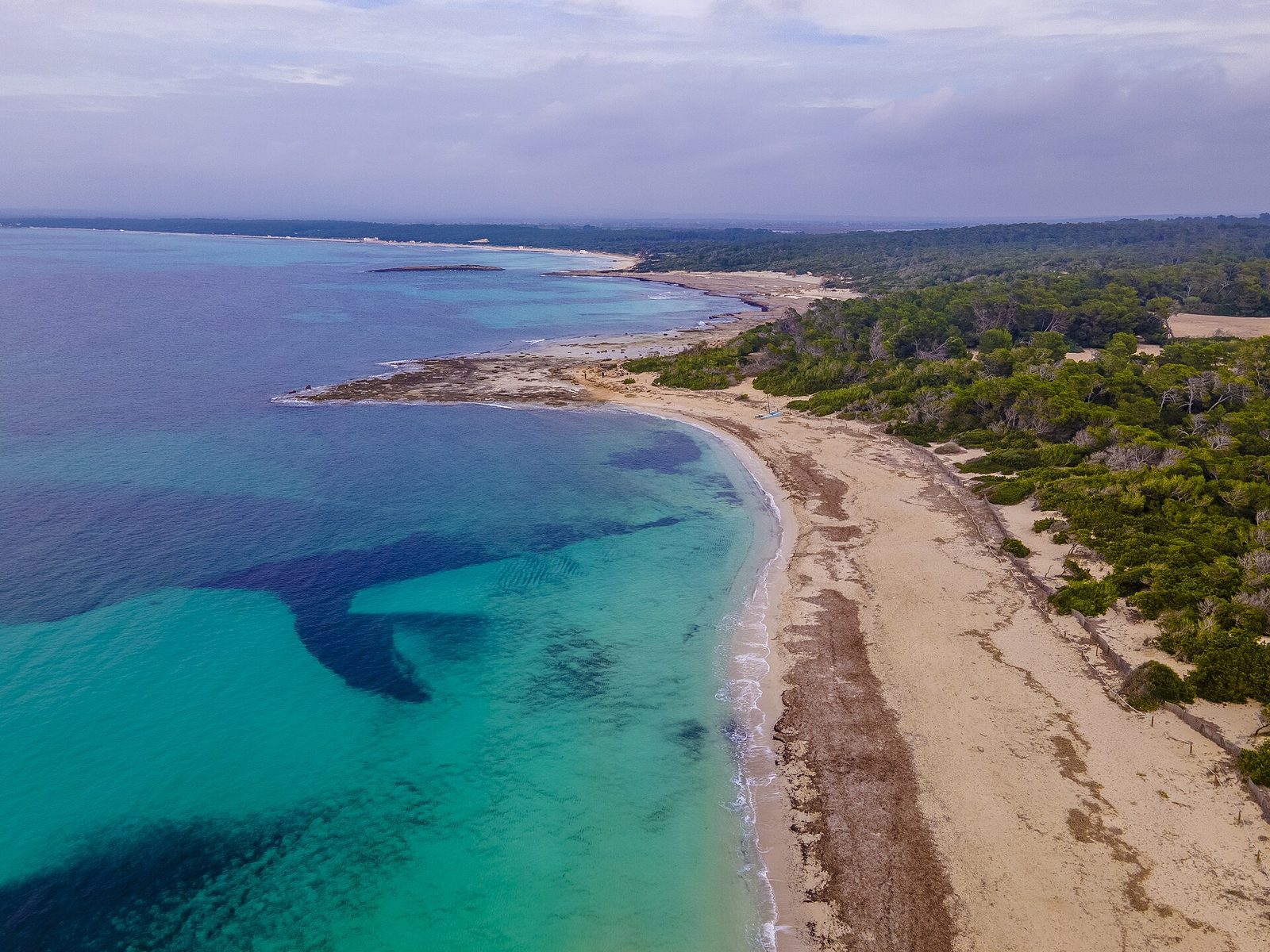
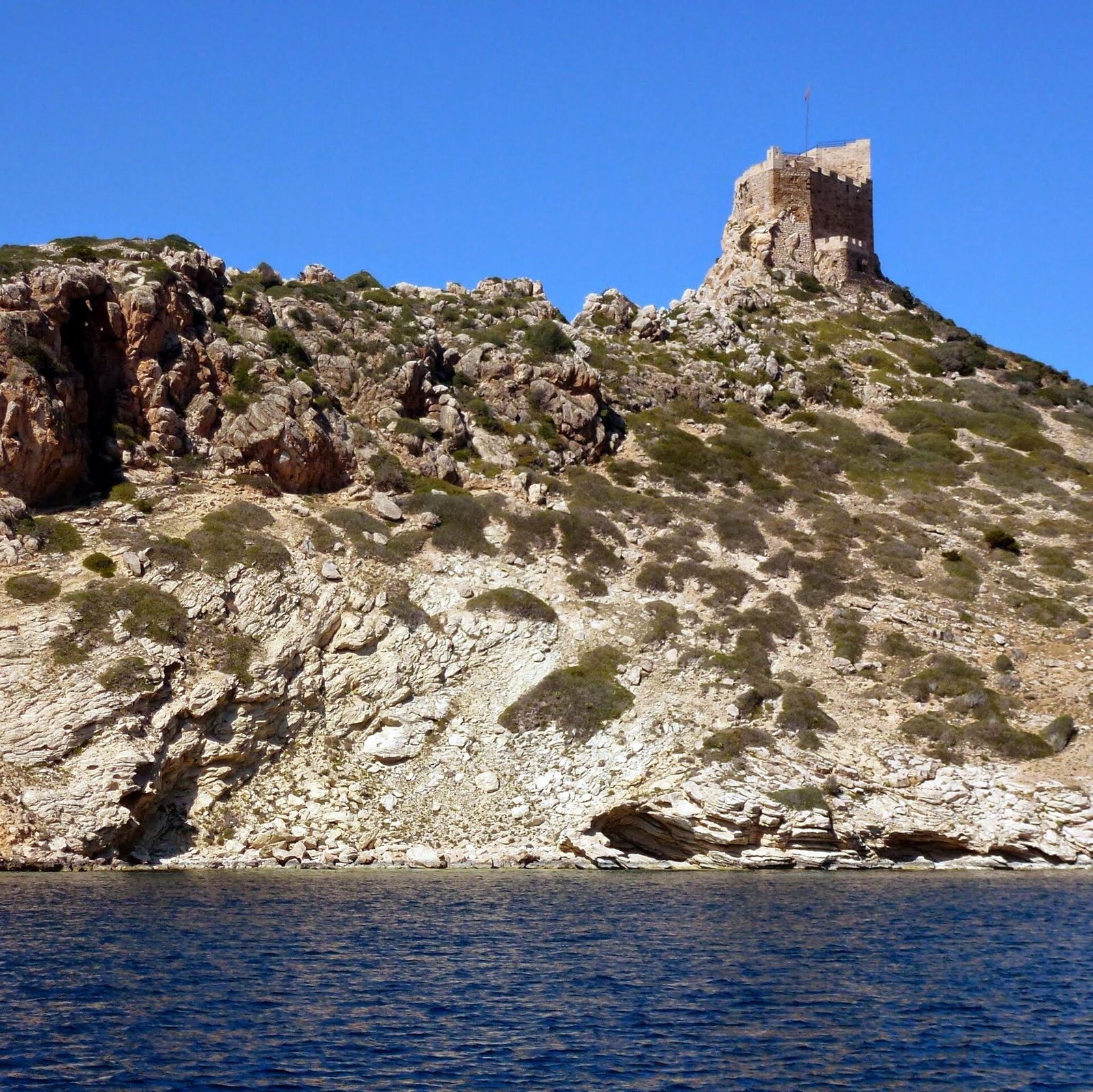
Further south are Es Trenc, a long white-sand beach with turquoise water, and the Cabrera archipelago, a national park. These are longer routes that depend on the departure port and the day.
When to go
The season runs from May to October. June and September combine calm seas, warm water and fewer people; July and August are the liveliest months. On the Sóller coast, the best time is June to September. Afternoon trips are the best for sunsets, especially in the southwest.
Anchoring with care: posidonia
In the Balearic Islands, posidonia is protected: it is the seagrass meadow that keeps the water so clear. That is why boats cannot anchor on it. The skipper always chooses sandy seabeds or authorised buoys.
How to visit them
The easiest way is with a skipper: they sail, choose the coves depending on the wind and the sea that day, and all you have to do is swim and enjoy lunch on board. No licence needed. Kalyso trips start in the 2027 season; in the meantime, you can enter our free giveaway for a VIP experience.
Frequently asked questions
Which coves in Mallorca are best by boat?
It depends on the area: in the Bay of Palma, Illetes and Cala Major; in the southwest, Portals Vells, Cala Falcó, El Toro and Sa Dragonera; in the Tramuntana, Cala Tuent and Sa Calobra.
Can you anchor in any cove?
Not on posidonia, which is protected in the Balearic Islands. The skipper anchors on sand or at authorised buoys.
When is the best time to go?
From May to October. June and September have the calmest seas and fewer people.
Do I need a licence?
No. Trips are skippered: they sail, you enjoy.
Your VIP experience starts here
Enter for free and we'll let you know first.